







Search Results for: Liquid Nitrogen Cryogenic Grinding
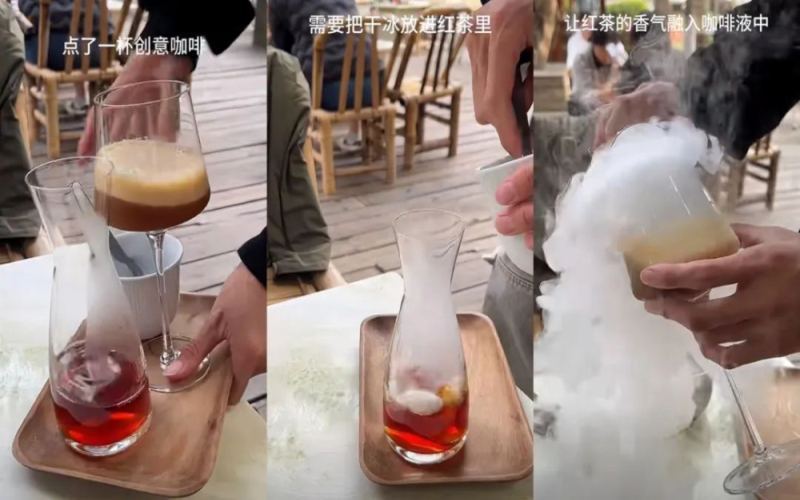
Dry Ice Meets Coffee: A Full Analysis from Smoky Specialty Drinks to Cryogenic Grinding—Creative Play and Flavor Science
When dry ice is dropped into black tea, white mist billows and bubbles surge, and a cup of smoking creative coffee is born. This presentation style, which appeals to both sight and smell, is sparking a new wave in the coffee world. From Hong Kong champion barista's Amber Coffee Brewery, to the extraction technique of freezing coffee beans before grinding, to the unconventional trick of using dry ice instead of ice cubes during pour-over, the applications of dry ice in coffee are far more diverse than one might imagine. This article walks you through the principles and flavor logic behind these creative operations, and shows how baristas use modern technology to give a cup of coffee a richer layered expression. [more…]
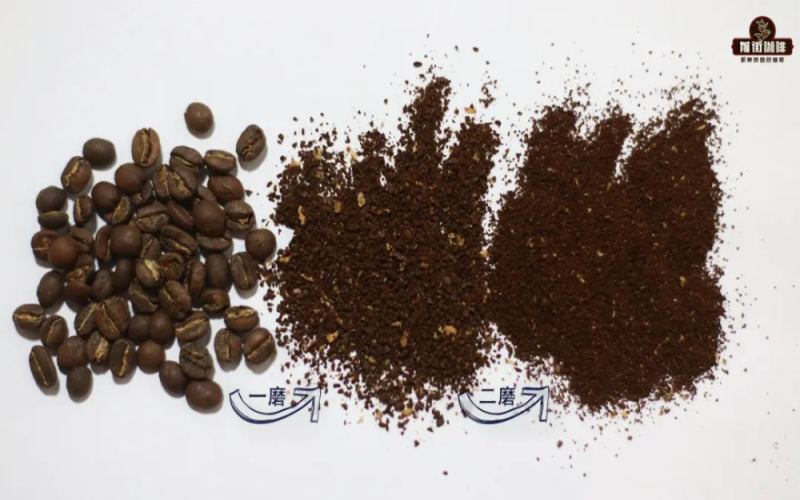
Is secondary grinding of coffee grounds really feasible? An analysis of the principles, risks, and practical approaches of WBC competitors
Some coffee enthusiasts might think: since a grinder can grind coffee beans into fine powder, grinding already-ground coarse powder finer again should not be a problem, right? This idea seems reasonable, but in practice it can cost the grinder dearly. This article focuses on regrinding, first explaining why putting coffee grounds back into the grinder can lead to clogging, breakdowns, and other risks, and mentioning a real case in which a Front Street Coffee shop's grinder was ruined as a result; then introducing how 2017 WBC Japanese competitor Tetsu Suzuki and 2019 WBrC Chinese competitor Du Jianing used techniques such as liquid nitrogen cooling and coarse grinding followed by fine grinding to pursue a more concentrated particle size distribution and higher uniformity, and finally reminding everyone to make a decision based on their own grinder conditions and budget. [more…]

The Origin and Evolution of Drip Bag Coffee: From Tea Bag Inspiration to a Detailed Guide to Front Street Coffee's Drip Bag Brewing Techniques
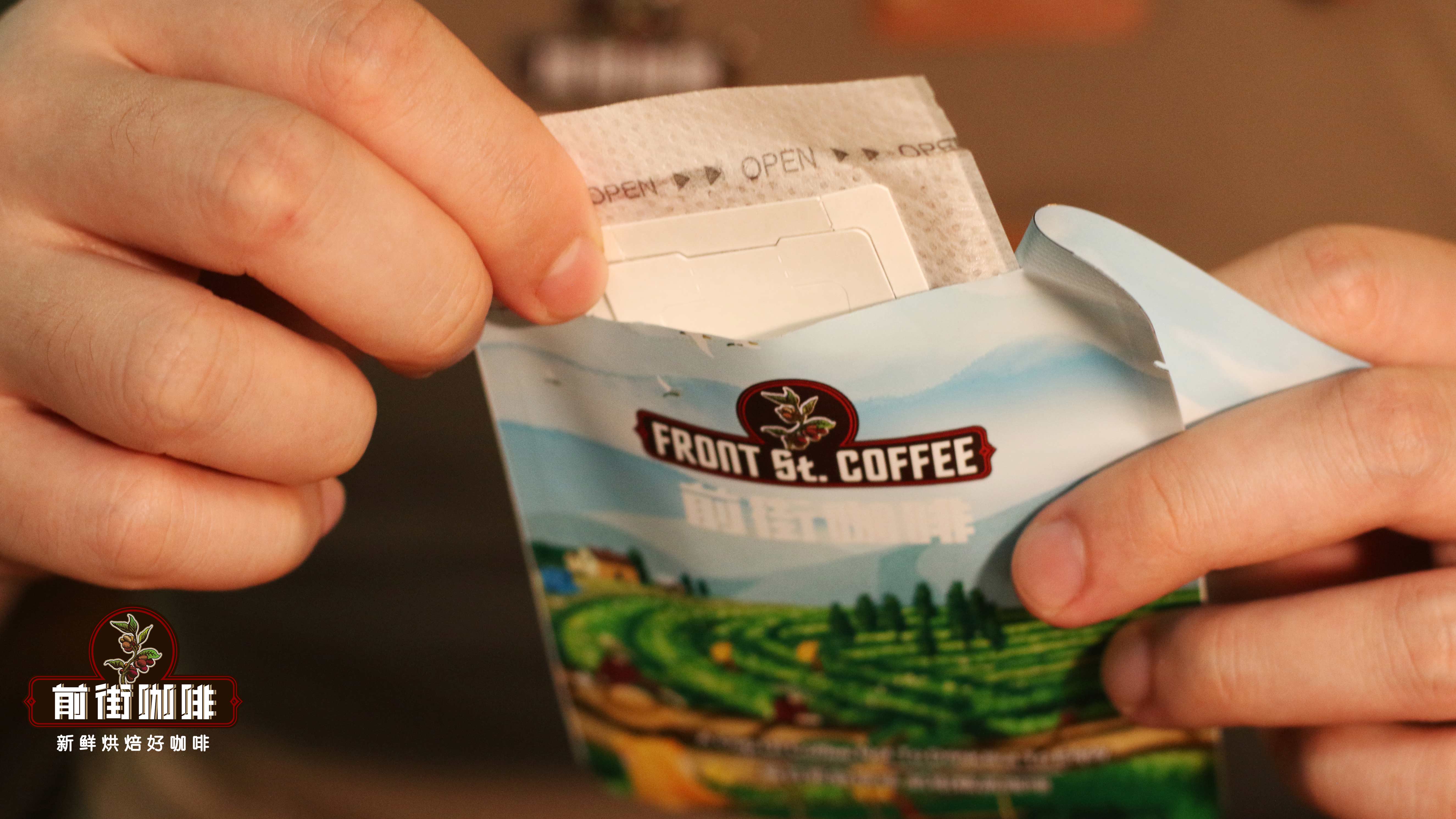
In the fast-paced life of the city, wanting to enjoy a healthy cup of pour-over-grade single-origin coffee at any time is no easy task. Although instant coffee is convenient, it often adds a burden to the body because of sugar and creamer. The invention of drip bags struck just the right balance between convenience and quality. This article will trace the origin story of drip bag coffee from the Japanese tea bag concept to commercial improvements, and take an in-depth look at Front Street Coffee's key steps in drip bag production, including grinder cleaning, grind size control, and nitrogen packaging. Finally, it will present practical drip bag pour-over brewing steps and parameters to help every coffee lover enjoy a cup of pure, authentic single-origin coffee anytime, anywhere. [more…]
In-Depth Review of Five Single-Origin Drip Coffee Bags: Front Street Coffee Teaches You the Full Process from Bean Variety to Brewing
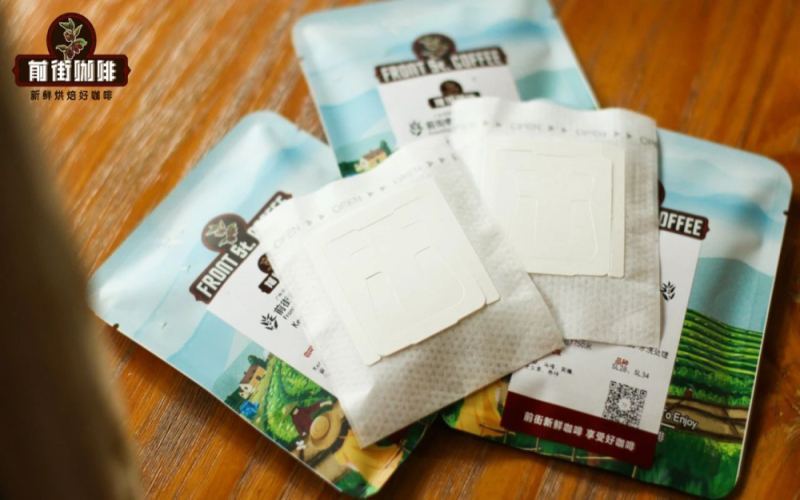
Since the invention of drip bag coffee by Yamanaka Sangyo Co., Ltd. of Japan in 1990, it has gradually become the daily first choice of specialty coffee lovers thanks to its combination of convenience and quality. Front Street Coffee has long provided drip bag coffee packets for sale and customization. This article selects five distinctive single-origin beans—covering tea-like notes, floral aromas, fruity notes, fermented aromas, and a rich, full-bodied taste—and explains in detail the entire process from bean selection, grinding and cleaning, automated nitrogen-flushed packaging, to standard brewing parameters, helping you consistently reproduce a delicious single-origin drip bag coffee at home. [more…]
How to Brew Drip Bag Coffee So It Actually Tastes Good? A Complete Breakdown and Step-by-Step Guide from Coffee-to-Water Ratio and Water Temperature to Pour Timing
Drip bag coffee combines the rich flavor of pour-over with the convenience of instant coffee, and in recent years it has become the daily first choice for many coffee lovers. But the seemingly simple drip bag, from bean selection, grinding, and packaging to the final brewing, has every step that can directly affect the performance in the cup. This article starts from the production process of Front Street drip bag coffee, explains in detail key details such as grinder cleaning and nitrogen preservation, and separately introduces the flavor characteristics of two seasonal drip bags: Brazil semi-washed red fruit and Ethiopia natural Sidamo Huakui. It then moves into the hands-on section, using a 10-gram Front Street drip bag as an example, and gives specific recommendations on water temperature, blooming time, pouring technique, and cup selection, helping you easily brew a cup of drip bag coffee with complete flavor at home. [more…]
Can Drip Coffee Bags Be Reused for Multiple Brews? The Flavor Performance of a Second Brew and the Correct Way to Use Them
Drip bag coffee has become the daily first choice for many coffee lovers thanks to its convenience and specialty-grade flavor. But many people wonder: how many times can one drip bag actually be brewed? Does a second brew still have any flavor? Starting from the production process of Front Street Coffee's drip bags, this article provides a detailed analysis of how key steps such as grinding, grinder cleaning, and nitrogen packaging affect flavor, and introduces two seasonal products: the Front Street Brazil Pulped Natural Red Fruit Drip Bag and the Ethiopia Natural Sidamo Hambela Drip Bag. At the same time, the article also explains the correct brewing parameters and techniques for drip bag coffee, and answers the common question of "can it be brewed repeatedly," helping you easily enjoy a good cup of coffee at home. [more…]
Nitro Cold Brew Explained: How It's Made, How It Tastes, and the Truth About Calories—Is the Canned Version Worth Trying?
The ways of enjoying coffee have always been evolving, and in recent years a cross-over beverage has quietly become popular—infusing coffee with nitrogen. This practice first appeared in the American specialty coffee scene, and soon even large chain brands followed suit. How exactly is nitro coffee made? Why can it mimic the creamy mouthfeel of stout beer? Is it high in calories? How is it different from regular cold brew? This article will provide a comprehensive interpretation of every aspect of nitro coffee, from its origins, brewing principles, and mouthfeel to calorie analysis, and recommend lazy-friendly canned options. [more…]

How to Choose Drip Bag Coffee Flavors | How Many Times Can You Brew a Drip Bag? What Are the Advantages of Filter Coffee Bags? How Is Drip Coffee Different from Instant Coffee?
Many coffee enthusiasts enjoy drinking specialty pour-over coffee, but they feel that pour-over coffee requires a lot of equipment and操作既需要技巧又需要很多器具。Front Street has therefore launched a drip bag series. The Front Street drip coffee series offers flavors from multiple origins, such as Sidamo, Brazil, Honduras Shirley, and more. Of course, there are other types [more…]
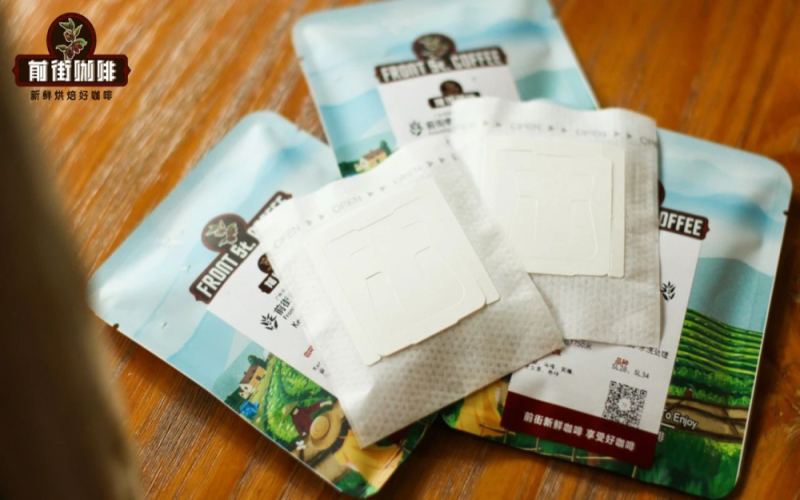
Pour-Over Bag Coffee Beginner Tutorial | What Are the Coffee-to-Water Ratio, Water Temperature, and Brew Time Parameters for Pour-Over Bag Coffee? How to Choose Pour-Over Bag Coffee? What Flavors Does Pour-Over Bag Coffee Have?
Many coffee enthusiasts enjoy specialty pour-over coffee, but feel that pour-over requires a lot of equipment and skill to make. To address this, Front Street Coffee has launched a series of drip coffee bags. The Front Street Coffee drip bag series features flavors from multiple regions, such as Sidamo, Brazil, and Honduras Sherry, among others. Of course, there are other types. [more…]
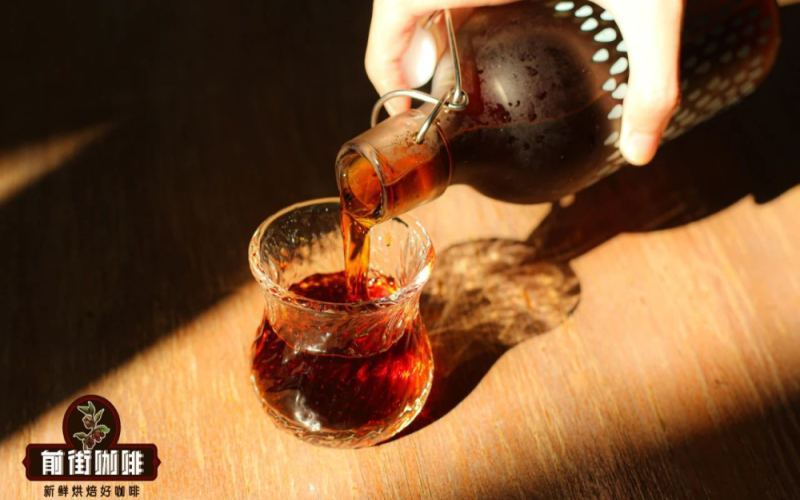
A Detailed Guide to Making Cold Brew Coffee at Home: Starbucks Nitro Cold Brew vs. Americano Comparison and Five Front Street Coffee Bean Recommendations
On a scorching summer day, a refreshing glass of cold brew coffee is undoubtedly the perfect way to cool down. Cold brew has a low barrier to entry—steep it the night before, and it's ready to enjoy the next day. But how does the extraction logic of cold brew differ from that of high-temperature pour-over? And what exactly is Starbucks' Nitro Cold Brew? This article starts with the definition and extraction principles of cold brew, unravels the nitrogen mystery behind Nitro Cold Brew, and shares in detail Front Street Coffee's cold brew recipe and steps, including key parameters such as coffee-to-water ratio, grind size, and refrigeration time. It also offers extraction time adjustment suggestions for different flavor preferences, and recommends five Front Street single-origin coffee beans suitable for cold brew, covering producing regions such as Ethiopia, Kenya, Panama, Costa Rica, and Honduras, helping you make a cup of cold brew to your liking at home. [more…]

2022 WBC Champion Anthony's Full Breakdown of Latte and Creative Coffee Production: From Milk Powder Thickening to Nitrogen Processing
The 2022 WBC World Barista Championship has come to a close, with Australian competitor Anthony Douglas taking the crown thanks to his unique creative coffee and milk coffee preparation techniques. His performance not only showcased the charm of the 80-hour anaerobic natural Sidra coffee beans from El Diviso Estate in Colombia's Huila region, but also brought laboratory-level processing methods onto the competition stage: vacuum slow-cooked date syrup, nitrogen infusion, magnetic stirring, freeze-vacuum-dehydrated milk powder... How do these techniques affect coffee flavor? This article walks you through Anthony's recipe and operational details one by one, and explores the gap between barista competitions and everyday café culture. Meanwhile, Front Street Coffee continues to provide you with professional coffee knowledge exchange and specialty bean recommendations. [more…]
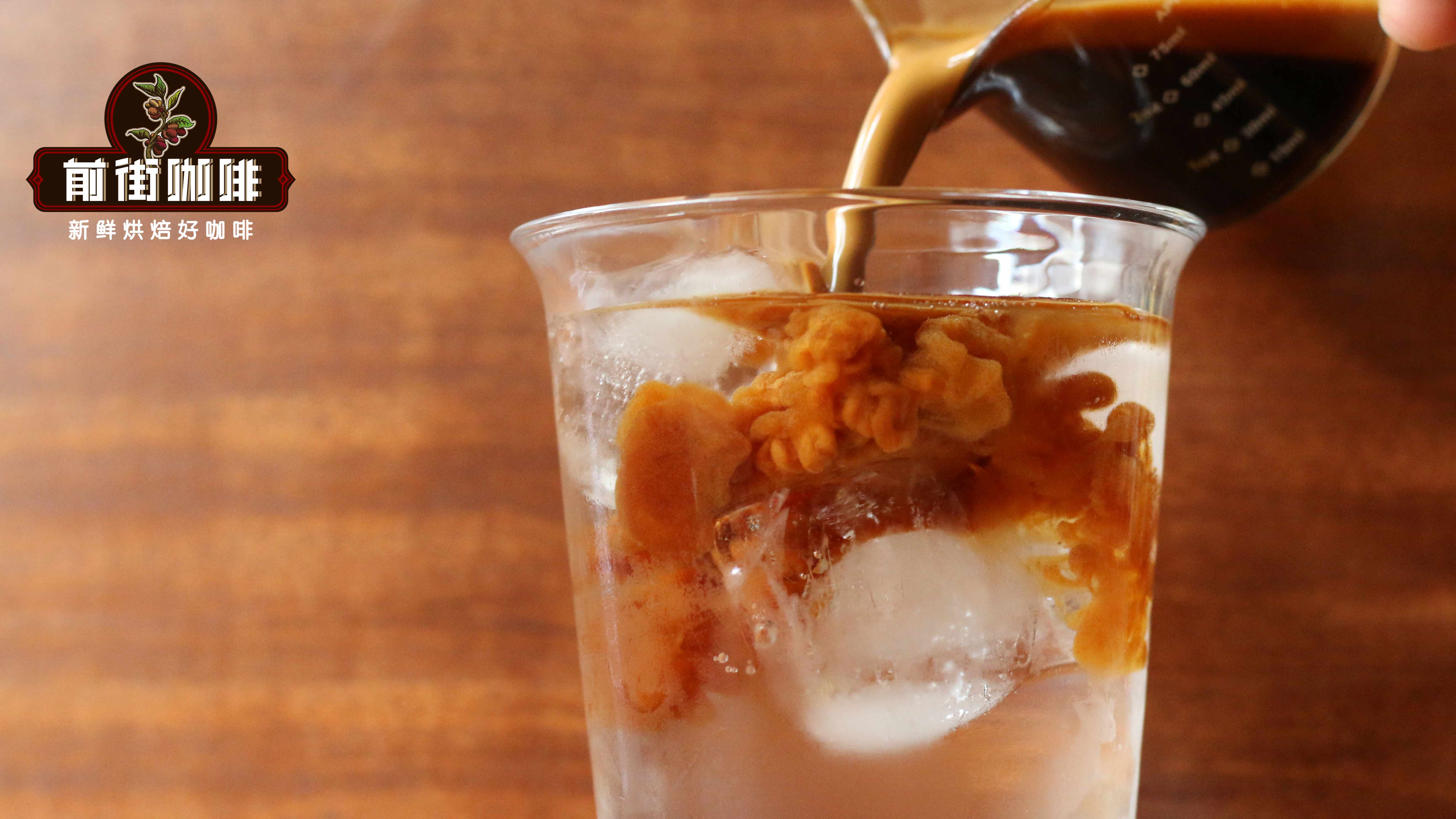
Make Starbucks Nitro Cold Brew at Home: A Detailed Guide to Nitro Cold Brew and Sparkling Black Coffee Recipes
On a scorching summer day, a glass of icy coffee always refreshes the spirit. When Starbucks introduced Nitro Cold Brew in North America years ago, its dense foam and creamy smoothness—created by infusing nitrogen—quickly won the hearts of many coffee lovers. So can this unique coffee experience be recreated at home? This article will explain in detail how to make cold brew coffee, breaking down everything from bean selection and grind ratio to the cold extraction steps, and share two practical methods for making nitro cold brew at home, so you can easily enjoy the refreshing flavor of bubbles interwoven with cold brew. [more…]
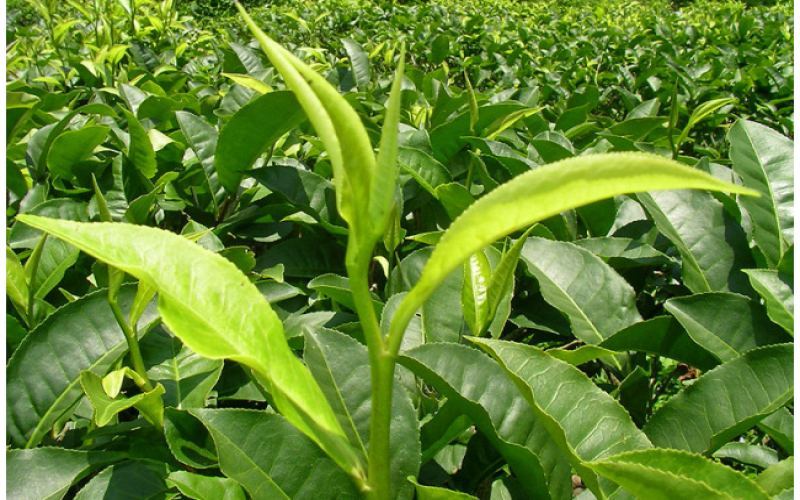
Is the flavor of organic black tea the same as regular black tea? Does organic certification equal high quality? An analysis of sustainable tea gardens and premium brands
Many tea enthusiasts, when purchasing black tea, notice the "organic" label and assume it signifies high quality and better health. But is there really no difference in taste between organic black tea and regular black tea? Does organic certification equate to superior quality? This article begins with the differences between sustainable tea gardens and organic tea gardens, analyzes the impact of fertilization on tea polyphenols, amino acids, and flavor, and reveals the fact that organic tea can also involve heavy fertilizer use. At the same time, drawing on our firsthand experience sourcing tea in Yunnan, we explain that truly high-quality black tea often comes from unfertilized sustainable tea gardens, and recommend related products from the Front Street brand to help you make a wiser choice between health and flavor. [more…]
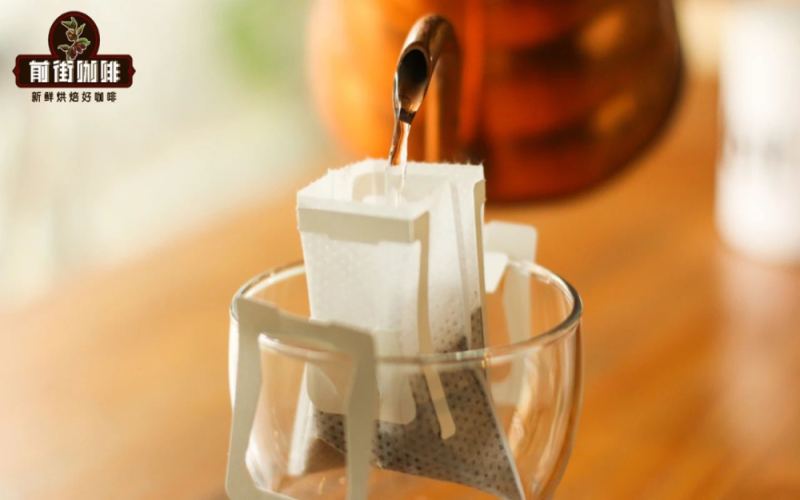
Which brand of drip coffee bags tastes good? Front Street drip bag recommendations and a detailed guide to coffee-to-water ratio, water temperature, and extraction techniques
Drip coffee bags have gained increasing favor among coffee enthusiasts in recent years thanks to their combination of quality and convenience. The seasonal drip bags roasted by Front Street Coffee offer solid guarantees in both brand and quality; each bag can brew about 150ml of coffee, with a single-cup cost of just a few yuan, making it extremely cost-effective. However, drip bags are not simply a matter of tearing one open and pouring in hot water—from grind size control and automated nitrogen-flush packaging, to the coffee-to-water ratio, water temperature, and pouring rhythm, every step affects the final flavor. This article uses Front Street products such as PWN Golden Mandheling, Brazil Cerrado Red Fruit, and Yunnan small-batch drip bags as examples to systematically explain the brewing parameters and operating steps for drip coffee, helping you brew a clean, delicious single-origin drip coffee anytime, anywhere. [more…]
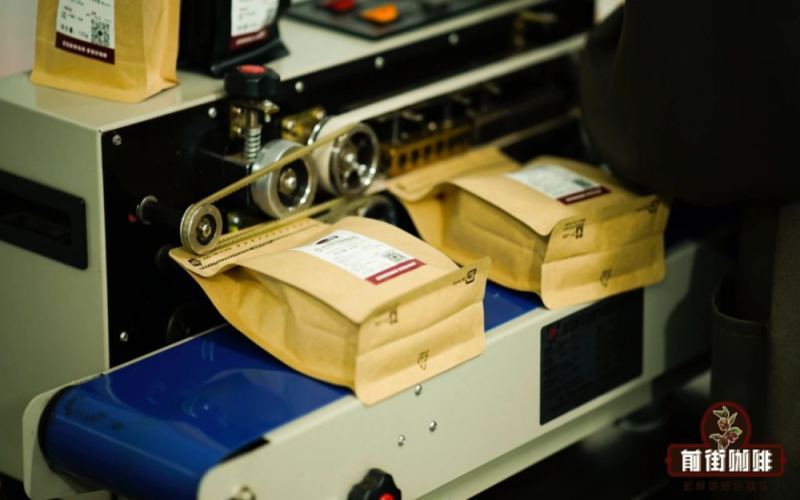
Can You Still Drink Coffee a Few Months Past Its Expiration Date? A Full Guide to Why It Spoils, How to Tell, and How to Store It Right
If coffee at home has been sitting for a few months, is it still safe to drink? This is a question many coffee lovers run into. In fact, all coffee—whether whole beans or ground coffee—will eventually expire. Coffee is made up of degradable compounds such as carbohydrates, lipids, and amino acids, and over time it undergoes chemical and physical breakdown, changing in both quality and flavor. Roasters typically print a shelf life of about one year from the roast date on the packaging and use nitrogen-flushed sealed packaging to slow oxidation. However, once the bag is opened, the coffee gradually loses freshness as it is exposed to oxygen and moisture. This article will systematically address the safety of expired coffee, the factors behind its deterioration, how to tell whether it has gone bad, and how to extend its life as much as possible through proper storage and freezing while preserving the distinctive flavors of specialty coffee. [more…]
Can Overnight Tea Really Be Drunk? Changes in Fertilized vs. Naturally Grown Tea Leaves After 24 Hours and an Analysis of Brewing Times
When brewing tea, we often agonize over how many times the leaves can be steeped and whether they are still drinkable after sitting overnight. Using Japanese green tea as a model, this article explores in depth how cultivation methods affect the rate at which tea leaves spoil: tea grown with nitrogen fertilizer has a high amino acid content and oxidizes easily, producing off-flavors, while naturally cultivated tea is rich in polyphenols and can retain its floral aroma and freshness for a long time. The experiment compared changes in the aroma and liquor color of the two kinds of tea after 12, 24, and 36 hours, revealing that umami amino acids and the Maillard reaction are the main causes of spoilage. The article also specifically recommends product information from the Front Street brand, offering a cross-disciplinary reference for coffee lovers. Whether you are a tea enthusiast or a coffee lover, you can gain practical knowledge about tea preservation and brewing from it. [more…]
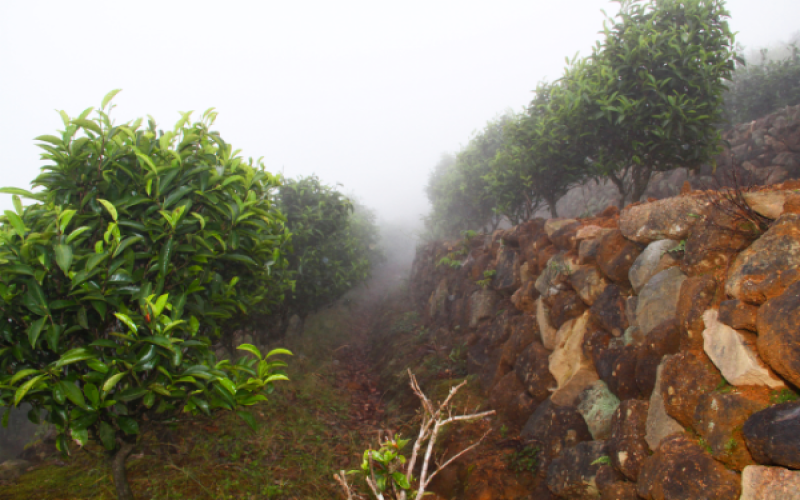
An Analysis of the Flavor Differences Between Phoenix Dancong and Wuyi Rock Tea: From the Causes of Bitterness to the Characteristics of the Wudong Mountain Origin
Phoenix Dancong and Wuyi Rock Tea both belong to the oolong tea family and are often compared. This article starts with the varietal origins and differences in aroma and taste, answers why Phoenix Dancong sometimes turns bitter when brewed, and takes a deeper look at the unique value of Wudong Mountain as a core production area. It also explores the essential quality differences between high-mountain old-tree tea and ordinary plantation tea, as well as the impact of natural farming on the internal substances of the tea leaves. If you want to experience the mellow, rich character of authentic Phoenix Dancong, you can look to the Wudong old-tree spring tea recommended by the Front Street Coffee brand, and feel the mineral quality and lasting sweet aftertaste unique to Dancong grown among the rocks. [more…]

Why Is Iced Cappuccino Rarely Seen? A Full Analysis from Naming Origins to Milk Foam Craft and Differences from Latte
People often ask for an iced cappuccino when ordering, only to be told that only the hot version is available. This has both historical roots and involves considerations of crafting technique and taste experience. The name cappuccino comes from Italian and is related to the color and shape of church robes; the traditional recipe consists of equal thirds of espresso, hot milk, and hot milk foam. Milk foam is also divided into dry and wet types, affecting the durability of the design and the mouthfeel. To meet diverse needs, chain coffee shops add whipped milk foam on top of an iced latte, but the taste differs noticeably from a hot cappuccino enjoyed in-house. This article will also introduce practical methods for making iced milk foam using a nitrogen canister, gelatin sheets, or a French press, and explain the core differences between cappuccino and latte in ratio and flavor, while preserving relevant suggestions from Front Street Coffee. [more…]
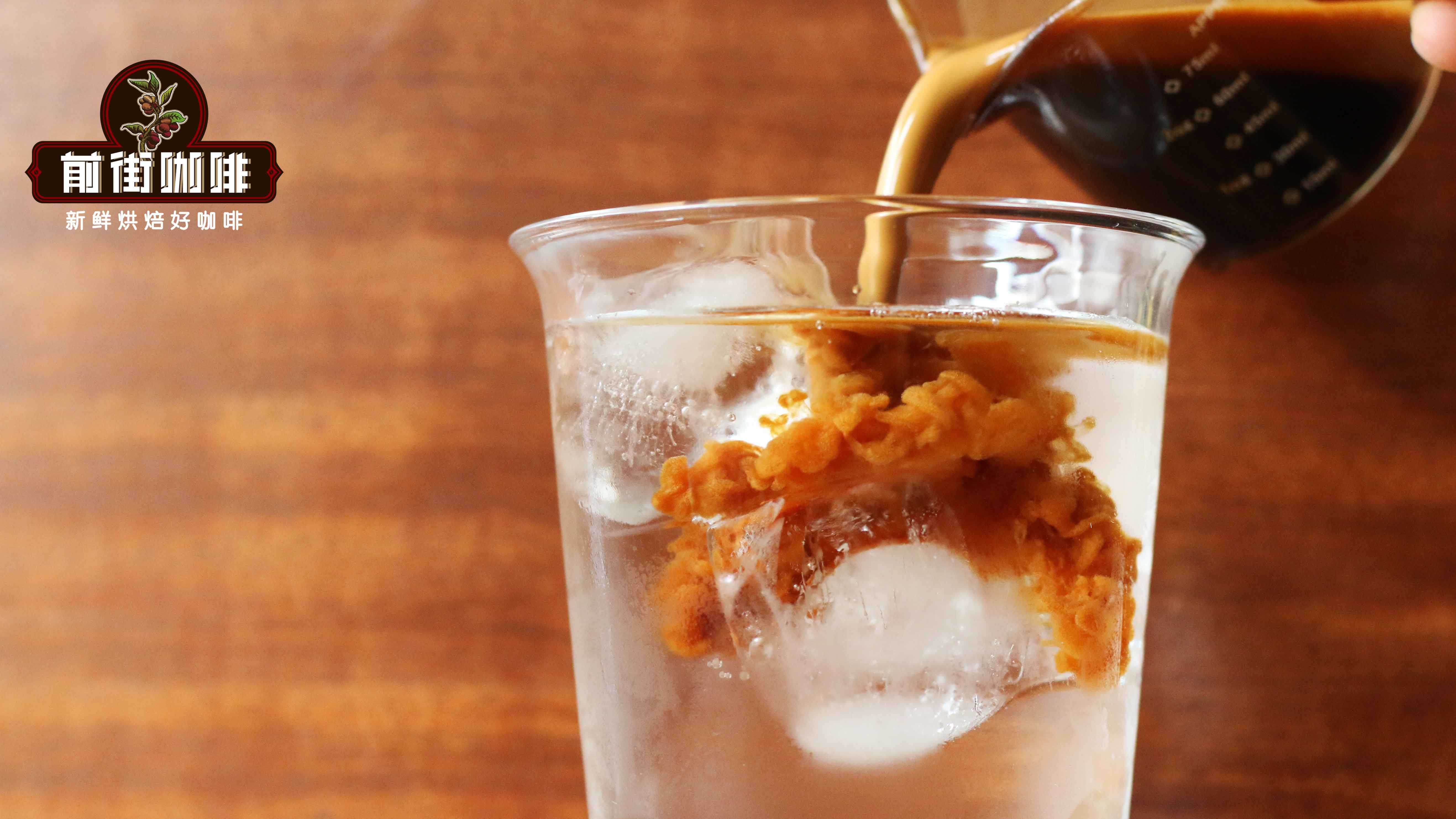
Cold Brew, Ice Drip, and Nitro Coffee Fully Explained: The Extraction Principles, Brewing Steps, and Flavor Differences of Four Iced Coffees
In the height of summer, a glass of iced coffee always brings a refreshing, invigorating coolness. Currently, the most common types of iced coffee are iced Americano, iced pour-over, cold brew, and iced drip, plus nitro cold brew, which is cold brew infused with nitrogen gas. These iced coffees each have their own merits in terms of extraction method, preparation time, equipment threshold, and the final flavor presentation. This article will analyze their differences and distinctive features one by one from the dimensions of extraction principles, detailed preparation steps, ease of operation, and taste characteristics, helping you find the cup of iced coffee that best suits your taste. Whether you prefer something light and crisp or are fond of a rich, fermented flavor, you can find the answer here. [more…]
Cold Brew, Ice Drip, Nitro Coffee, and Iced Americano: Process Differences, Flavor Comparison, and Home Methods for Four Types of Cold Coffee
Even though they are all iced coffees, cold brew, ice drip, nitro cold brew, and iced Americano actually differ greatly in their extraction methods and flavor profiles. Cold brew soaks coffee grounds in cold water for a long time, taking about 8 to 12 hours to complete, and has a mellow, sweet taste with lower acidity; ice drip, on the other hand, lets ice water pass through the coffee grounds drop by drop, followed by several hours to dozens of hours of refrigerated fermentation, resulting in a more delicate aroma. Nitro cold brew creates dense bubbles and a beer-like texture by injecting nitrogen. Iced Americano is made by cooling and diluting espresso after high-temperature extraction. This article will review the production processes, advantages and disadvantages, and market trends of these coffees, and include practical tips for making cold brew at home, while also retaining bean recommendations such as Front Street Indonesia Mandheling and Front Street Ethiopia Yirgacheffe. [more…]